
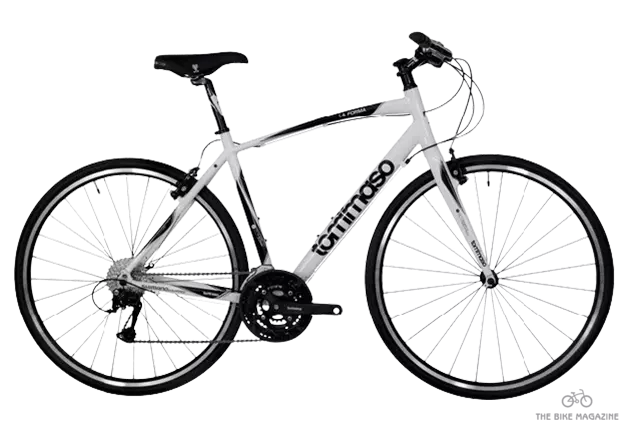

Track Bike vs Road Bike: The Key Differences
Quick Answer Track bikes are built for the velodrome; road bikes are built for the street. A track

Quick Answer Track bikes are built for the velodrome; road bikes are built for the street. A track

Quick Answer About 1 hour 40 minutes for a moderately fit rider. At a recreational 10–12 mph, 20

Quick Answer Check whether the bike can be repaired first. A working or fixable bike can go to

Quick Answer A good racing tire usually lasts 2,000 to 5,000 miles. Soft, light race compounds wear faster

Quick Answer Most riders cover 10 miles in 40 minutes to 1 hour. At an average 12 mph

Quick Answer Commuter bikes are built for comfort and everyday use; road bikes are built for speed. A

Quick Answer V-brakes stop harder and are easier to set up; cantilever brakes clear more mud. Both are

Quick Answer Use a middle-to-high gear that lets you pedal at a steady, comfortable pace. On flat roads
Quick Answer Most mountain bike tires last around 500 to 2,500 miles. The full range runs from about
Quick Answer About 10 to 12 minutes at an average pace. At 10–12 mph, 2 miles takes 10–12
Quick Answer About 5 minutes at the average speed of 12 mph. Beginners riding at 8–10 mph need

Quick Answer Most road bike tires last 2,000 to 4,000 miles – roughly one to two years of

Quick Answer Yes, you can put pegs on most mountain bikes, but check compatibility first. Pegs need an

Quick Answer Uncap the valve, press the pump head on firmly, lock it and pump to the pressure

Quick Answer Light rust comes off with a baking soda paste or white vinegar and a good scrub.
Quick Answer About 21 to 33 minutes at an average 9–14 mph. Fit riders at 15 mph or

Quick Answer You need a crank puller and the right wrench or hex key. Remove the crank bolt,

Quick Answer Yes – replacement parts are easy to find for the Razor EcoSmart Metro. You can buy

Quick Answer Replacing the EcoSmart Metro tires takes about ten steps and basic hand tools. You remove the

Quick Answer Gear slipping usually comes from a stretched shift cable, a worn chain or worn cog teeth.

Quick Answer Yes – fat tire bikes are among the best bikes for riding on snow. Their extra-wide
Quick Answer Yes – most BMX bikes come with at least one brake, usually on the rear wheel.

Quick Answer Cycling mainly tones your legs, hips and glutes, but it also works your core, back and

Quick Answer The spikes (pins) give your shoes grip on the pedal. They keep your feet planted on

Quick Answer Your hybrid size depends mostly on your height and inseam. Use the size chart to find

Quick Answer Clean and lube the drivetrain, and check the cables, tires, shocks and bolts regularly. A quick
Quick answer Most bike tires last 1,000 to 3,000 miles. As a rule of thumb, plan to replace

Quick Answer Bike helmets don’t have a fixed expiry date, but they do wear out. Most helmets last

Quick Answer Yes, you can ride your bike in the snow. Expect to go slower: lower your seat

Quick Answer Yes, you can ride a track bike on the road, but it is not ideal. Track

Quick Answer Yes, you can put hybrid tires on a mountain bike as long as they fit your

Quick Answer Clicking while pedaling usually comes from the pedals or cleats, the bottom bracket, a bent derailleur

Quick Answer No – bike pedals are not all universal. Most adult bikes use 9/16-inch pedal threads, while

Quick Answer Fat tire bikes grip and float on snow, sand and mud, and their low-pressure tires soak

Quick Answer On pavement, a road bike is usually faster than a gravel bike. Road bikes are lighter,
Quick Answer The average mountain bike weighs 25 to 50 pounds. Cross-country bikes are at the light end,

Quick Answer Most gravel tires last around 2,000 to 3,500 miles. Rough, rocky gravel and heavy loads wear

Quick Answer Most cycling injuries can be prevented with the right gear, a proper bike fit and safe

Quick Answer No – for most riders, cycling does not make the legs bigger. It is an aerobic

Quick Answer No – cycling does not make your bum flat. It burns fat around the glutes while

Quick Answer Yes – cycling burns fat, including on the thighs, but not only there. You lose fat

Quick Answer Yes, bike trainers work with mountain bikes, as long as the trainer fits your wheel size

Quick Answer Yes, you can ride a mountain bike on the road, but it is slower than a